
Energy-Efficient Windows: Can Design Meet Sustainability?
Windows are no longer mere sources of natural light but main factors affecting energy consumption, comfort and style of your home. As the cost of energy and the desire to live sustainably increases, the popularity of the smart window design rises. They are integrating high-tech technology, considerate materials, and beauty to come up with solutions that will save energy, increase comfort and make your interiors look beautiful in general.
This guide discusses the values, advantages, and possibilities of the introduction of the smart window design, to guide the homeowners with the right choice of the efficient and stylish space.
1. Understanding Smart Windows
Smart windows are created to adjust to the environmental factors but will enhance energy and in-door comfort. They can contain such technologies as:
- Electrochromic glass: This technology is programmed to change hue automatically with the sunlight.
- Thermochromic glass: The transparency varies with temperature.
- Photochromic coverings: Respond to light intensity to minimize glare.
- Reduce heat transfer and enhance insulation: Insulated or double-glazed designs.
These inventions enable you to be in the ideal position of natural light, control of temperature and privacy without losing the aesthetics.
2. Benefits of Smart Window Designs
- The inclusion of smart windows designs in your home presents a number of benefits:
- Energy efficiency: Minimize the heating and cooling expenses through the control of heat gain or loss.
- Comfort: Have a steady interior temperature and minimize the glare of the sun rays.
- Privacy: Automatically change the level of opening with no heavy curtains or blinds.
- Aesthetics: Smooth, modern styles are merged with the modern interiors.
- Sustainability: Reduction in energy helps in environmentally friendly living.
The smart windows are not merely practical, they are also investments that add value and comfort in your house.
3. Selecting the Right Window Glass
Choosing the right glass type is a crucial part of smart window design. Consider:
- Low-E glass (Low Emissivity): Reflects infrared energy while letting in natural light, reducing heat loss during winter and heat gain in summer.
- Double or triple glazing: Improves insulation and soundproofing.
- Tempered glass: Adds safety and durability, ideal for larger windows.
- Tinted or reflective coatings: Minimize glare and UV damage.
Combining these glass technologies creates efficient, stylish, and durable windows suitable for any room.
4. Window Frames and Materials
Window frames are just as important as the glass in energy efficiency. Materials affect insulation, durability, and overall style:
- Wood frames: Classic aesthetic, good insulation, requires maintenance.
- Aluminum frames: Sleek, modern, but less insulating; use thermal breaks to reduce heat transfer.
- Vinyl frames: Affordable, durable, and low-maintenance.
- Composite frames: Blend materials for durability, energy efficiency, and style.
The right frame complements your smart glass choice and ensures longevity and optimal performance.
5. Energy-Efficient Treatments
Even with advanced window technology, adding treatments can enhance efficiency. Some options include:
- Motorized blinds or shades: Automate opening and closing to maximize light during the day and block heat when needed.
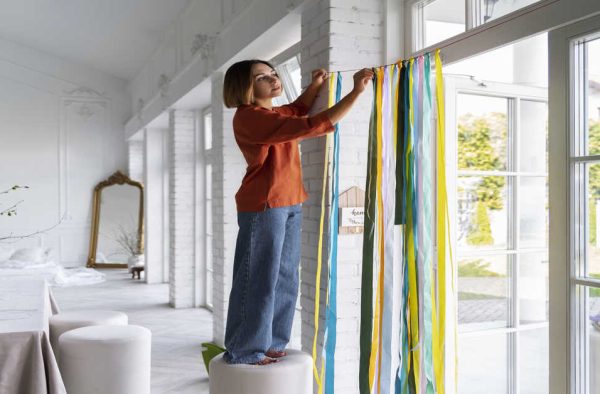
- Layered curtains: Combine sheer and blackout fabrics for flexible light and temperature control. For inspiration on combining styles, explore our guide to layered window treatment design.
- Thermal liners: Reduce heat loss through conventional curtains.
These treatments work synergistically with smart windows to achieve optimal energy savings.
6. Integrating Technology for Convenience
Smart windows can be operated easily. Most of them can be linked to home automation service or accessed through smartphone applications. Features may include:
- Time of the day tinting or shading.
- Through assistants such as Alexa or Google home, voice-activated commands.
- Temperature, sunlight, occupancy sensors.
Automation will make your windows work more effectively with no need to change them manually all the time and make them comfortable and convenient.
7. Maximizing Natural Light
Maximization of natural light and conservation of energy efficiency is one of the most critical objectives of smart designs of windows. Well arranged and oriented windows would help minimize the use of artificial lighting in the daytime.
- In the colder weather, south facing windows attract the sun to warm the place.
- The windows facing east or west have the advantage of tinted or reflective glasses to avoid glare and overheating.
- Soft and consistent light is obtained through the north-facing windows to balance the light.
The harmonisation between natural light and smart technology will result in saving energy and making the interior environment more comfortable.
8. Style Considerations
Modern homes demand window designs that are both functional and visually appealing. Consider these styling tips:
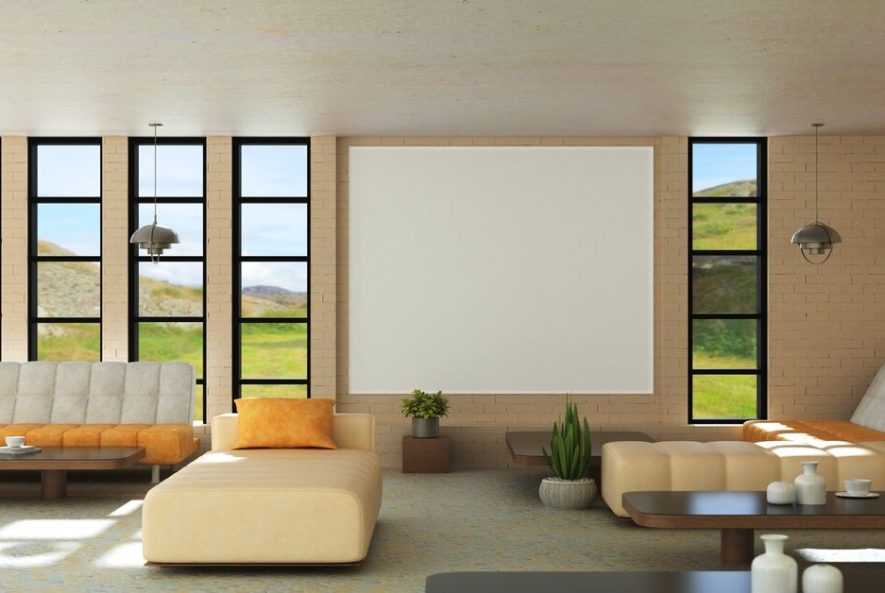
- Floor-to-ceiling windows: Create an open, airy feel and maximize light.
- Sleek frames: Minimalist aluminum or composite frames complement contemporary décor.
- Custom shapes: Circular or angled windows add architectural interest while maintaining efficiency.
- Neutral tones: White, gray, or black frames blend seamlessly with most interiors.
Smart windows can enhance any interior style while offering futuristic functionality.
9. Cost and ROI
Although the initial costs of using smart window designs may be more expensive than the traditional windows, the benefits are enjoyed in the long run:
- Lower heating costs because of better insulation and control of heat.
- Reduced maintenance expense, particularly of automated or durable materials.
- Increased property value, since the energy efficient homes will be more appealing to customers.
Never compromise quality materials and technology so that your investment will pay off in the long-run.
10. Sustainability and Environmental Impact
The smart design of windows helps to create an environmentally friendly living by minimizing the use of energy and decreasing carbon footprint. Energy-efficient glass, automated shading, and smart sensors are just some of the features that enable sustainable development of lifestyles without compromising comfort and style.
Also, recycled or sourced responsibly materials are currently available in many manufacturers, which makes your windows cool and conscious to the environment.
FAQs
1: How much energy can smart window designs save?
Smart windows with low-E coatings, double glazing, and automated shading can reduce heating and cooling costs by 15–30%. Exact savings depend on window orientation, local climate, and home insulation levels.
2: Can smart windows be retrofitted into existing homes?
Yes! There are numerous intelligent technologies that can be installed on the existing windows in the form of films, coatings, and automated shades. Cost-effective retrofits provide an option to raise the energy efficiency without completely changing the windows.
Final Thoughts
The Smart windows are the combination of technology, style, and savings to make modern, comfortable and environment-saving homes. Home owners can have improved thermal control, natural lighting, privacy and good look by choosing appropriate glass, frames, treatments and automation features and reducing the cost of energy.Smart windows are not only a design but also a sustainable investment in life, as they can improve the quality of life and bring value to the house. With the construction or with renovation, the incorporation of smart windows designs makes your spaces not only beautiful but also Future Ready.