
Love your dream yard? 5 ways to maintain garden aggregates?
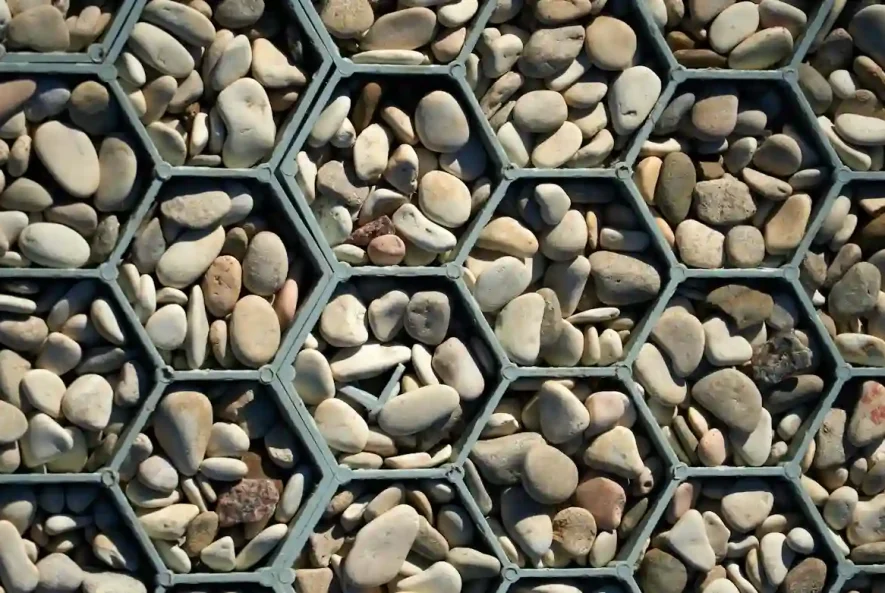
Garden aggregates are essential materials for enhancing the aesthetic and functional appeal of any landscaping project. They serve various purposes, from drainage solutions to decorative features. However, like any component of a landscape, garden aggregates require proper maintenance and care to ensure they remain effective and visually appealing. Understanding how to maintain these materials will help you achieve a vibrant outdoor space.
1. Regular Inspection and Assessment
One of the first steps in maintaining garden aggregates is to conduct regular inspections. Over time, garden aggregates can become displaced due to weather conditions or foot traffic. By assessing the condition of the aggregates, you can identify areas that need replenishment or redistribution.
Regular assessments will help ensure that the aggregates maintain their intended function, whether that involves proper drainage or providing a visually appealing surface. Taking the time to inspect your garden aggregates can save you from more significant issues down the road.
2. Cleaning and Debris Removal
Maintaining the visual aesthetics of garden aggregates often involves keeping them clean. Over time, leaves, dirt, and other debris can accumulate on the surface, detracting from their appearance. Gently removing this debris will not only enhance the look of your landscape but will also prevent the growth of weeds and unwanted plants.
For finer aggregates, such as decorative gravel, consider using a leaf blower or a soft broom to avoid damaging the material. Regular cleaning promotes a well-kept look while supporting the aggregates’ health and longevity.
3. Weed Control and Prevention
Weeds can be a common issue in areas where garden aggregates are used. They compete for nutrients and can quickly detract from the visual appeal of your landscape. Implementing a weed control strategy is essential for maintaining garden aggregates.
This can include applying a quality landscape fabric beneath the aggregates, which acts as a barrier to prevent weed growth. Additionally, using mulch or decorative stones can help suppress weed emergence. Should weeds appear, removing them promptly will keep your aggregates looking pristine and well-maintained.
4. Refreshing and Replenishing
Over time, especially in high-traffic areas, garden aggregates may shift or become compacted. Refreshing and replenishing these materials ensures that they continue to perform well. For example, if you notice areas of the aggregate that have thinned out, adding more material can restore depth and functionality.
This is particularly important for aggregates that serve a practical purpose, such as drainage fill. Keeping your garden aggregates at optimal levels will support their longevity and effectiveness in your landscaping projects.
5. Seasonal Considerations
Different seasons can affect the maintenance needs of garden aggregates. In the fall, for instance, fallen leaves can cause more debris to accumulate, necessitating more frequent cleaning. During winter, snow and ice can compact aggregates, so ensure that paths remain clear by carefully shoveling without damaging the material.
Even in spring, the thawing process can lead to shifts in aggregates, making inspections vital. Being mindful of seasonal factors will help you tailor your maintenance approach to suit the specific conditions affecting your garden aggregates.
Conclusion
In conclusion, proper maintenance and care for garden aggregates are crucial for the health and beauty of your landscaping. Regular inspections, cleaning, weed control, refreshing, and seasonal considerations all play a vital role in ensuring the aggregates serve their intended functions effectively.
By investing time and effort into maintaining your garden aggregates, you can create a vibrant outdoor space that remains attractive and functional for years to come.